

![[FINAL UPDATE] Sprunke Phase 8 Conbienjoyer's Take](https://data.sprunkimods.app/sprunke-phase-8-conbienjoyers-take-final-update/cover.avif)


![Sprunke Yandere Moch [UPD 17.0]](https://data.sprunkimods.app/sprunke-yandere-moch-upd-17/cover.avif)
![Sprunke Garnold's Joy Phase 3 [OFFICIAL]](https://data.sprunkimods.app/sprunke-garnolds-joy-phase-3-official/cover.avif)


![[POLO 6 HORROR UPDATE] Sprunke PLUS](https://data.sprunkimods.app/polo-6-horror-update-sprunke-plus/cover.avif)



![[MR SUN UPDATE] Sprunke PLUS](https://data.sprunkimods.app/mr-sun-update-sprunke-plus/cover.avif)








![Parasprunki Dystheism [20.0]](https://data.sprunkimods.app/parasprunki-dystheism-20-0/cover.webp)
![Sprunke Reversed Phase 7 [OFFICIAL]](https://data.sprunkimods.app/sprunke-reversed-phase-7-official/cover.avif)


Sprunkway V2
Sprunkway V2 is a free online music creation game featuring an expanded AU cast, upgraded instruments, creative beat mixing, and chilling transformations.
What is Sprunkway V2?
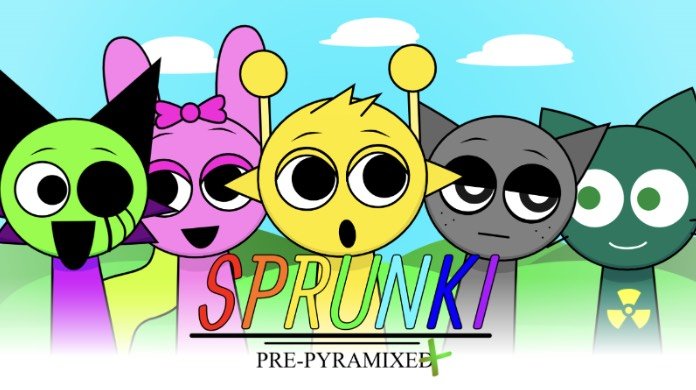
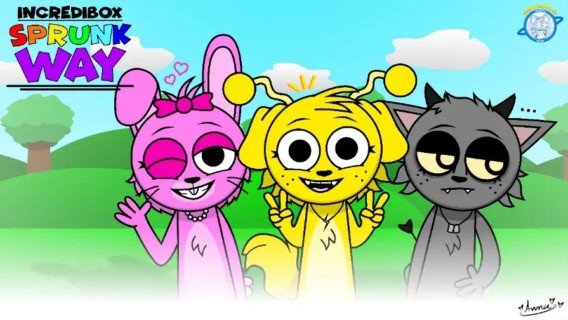
Sprunkway V2 is a free online music creation game built around an imaginative alternate-universe version of the Sprunki-style music format. It allows players to conduct animated performers, combine instrumental loops, and transform a simple rhythm into a detailed original soundtrack.
Rather than presenting one fixed song, Sprunkway V2 provides a collection of separate musical pieces. Every character controls a different part of the arrangement, including percussion, bass, keyboards, synthesizers, orchestral instruments, electronic textures, and vocals.
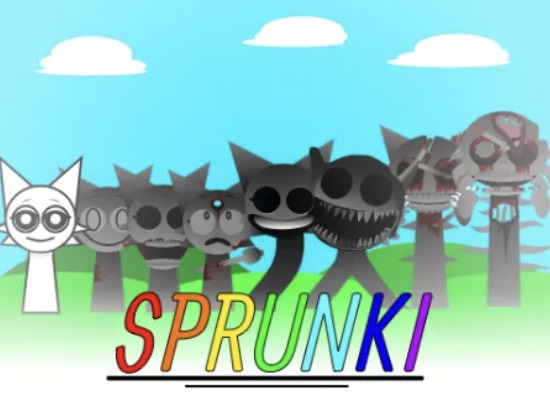
The V2 edition develops the idea with more ambitious sound design and a larger ensemble. Core performers provide the essential building blocks of a song, while bonus characters add less predictable instruments and unusual personalities. This variety makes it possible to move between electronic, cinematic, playful, rock-inspired, and experimental styles.
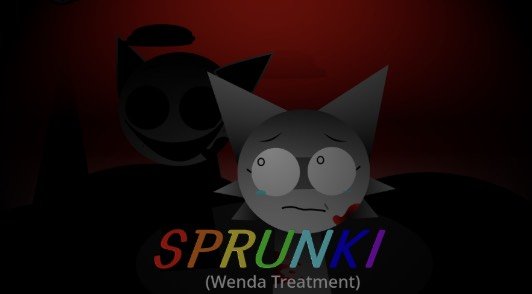
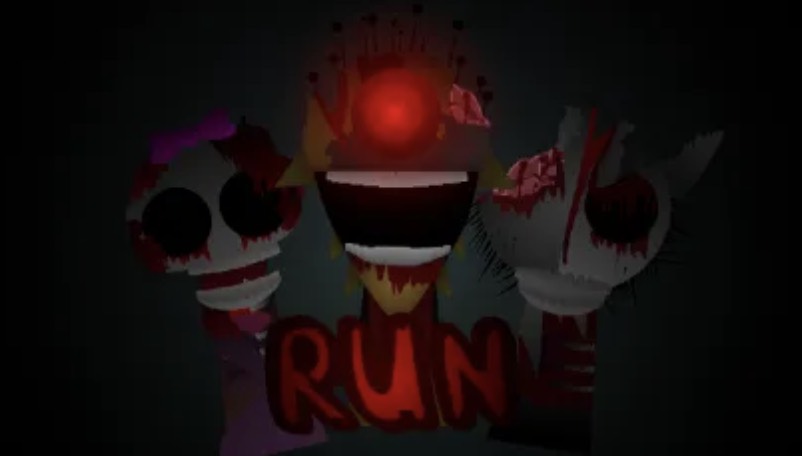
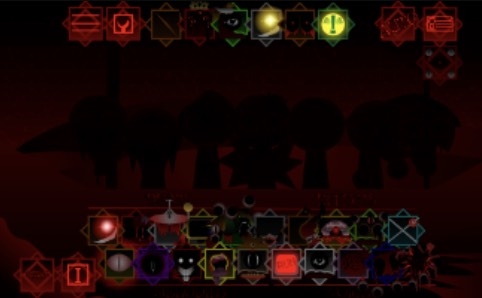
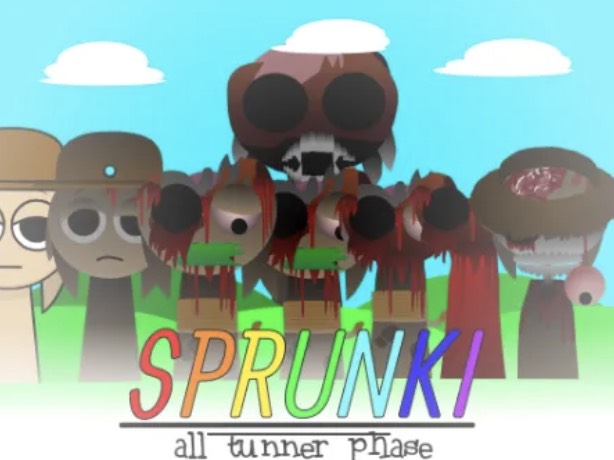
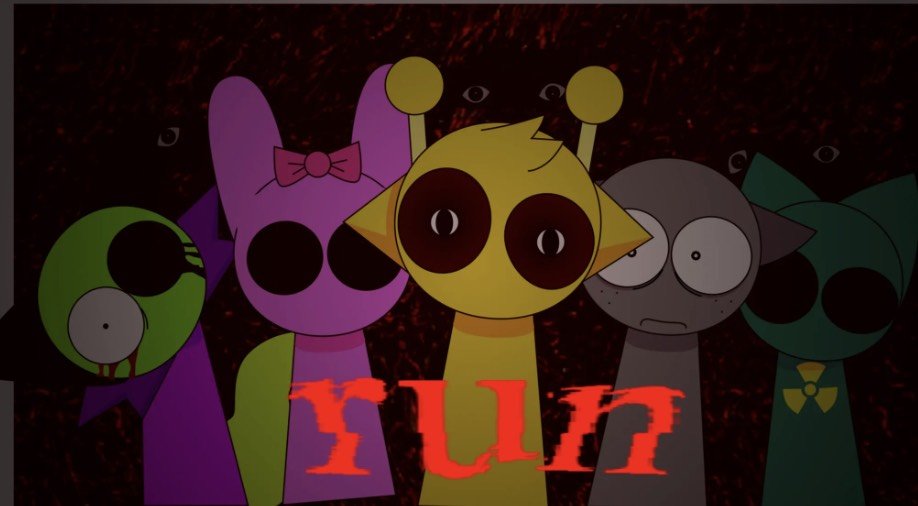
Sprunkway V2 also hides a disturbing side beneath its bright opening presentation. Activating the darker phase can alter the entire stage, changing harmless performers into corrupted forms and turning familiar loops into tense horror audio.
This contrast is central to the game’s identity. Players are not only composing music but also directing a transition between two versions of the same universe. A peaceful ensemble can quickly become an unsettling performance filled with distorted voices and ominous ambience.
Because it uses simple drag-and-drop controls, Sprunkway V2 remains approachable even when its roster and sound library become complex. Players can learn through listening rather than studying technical instructions.
How to Play Sprunkway V2?
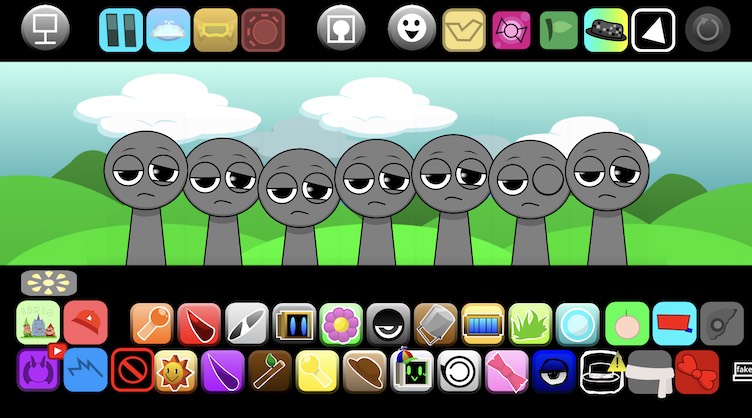
Open Sprunkway V2 and examine the row of musical icons. The icons correspond to performers who can be placed on the main stage. Each one adds a specific audio loop to the current mix.
Select a rhythm character first. A kick drum, snare, hi-hat, breakbeat, or cymbal pattern can establish the movement of the song. Listen for several repetitions before adding another layer.
Choose a low instrument next. Electric bass or deep synthesizer sounds help connect the percussion with the melodic section. A good bass loop should support the beat rather than compete with it.
After the foundation is established, test one or two melody characters. Piano can create a clear musical center, while organ may add depth and mystery. Synthesizers produce a modern electronic texture, and guitar or brass can increase the energy.
Voice characters are useful for creating a climax or emotional identity. Synthetic vocals can make the arrangement feel futuristic, while choir sounds can produce a larger and more cinematic atmosphere.
To revise the song, remove a performer and listen to the remaining group. This subtraction method is often more effective than continuously adding new sounds.
Sprunkway V2 may also include controls for muting or isolating performers. Use them to study complicated combinations and determine which loop is causing a conflict.
Once the normal arrangement feels complete, explore the darker transformation. Rebuild the track after the change instead of assuming the original lineup will remain balanced.
Game Features of Sprunkway V2
Upgraded Audio Identity
Sprunkway V2 introduces revised loops and a more varied instrumental palette. Characters have clearer musical functions and can be combined in more distinctive ways.
Large Alternate-Universe Cast
The game reinterprets established character ideas and places them alongside bonus performers. This creates a roster with different personalities, instruments, and visual influences.
Genre-Blending Music Creation
Players can combine electronic percussion with piano, organ, guitar, choir, brass, or acoustic-style sounds. The unusual instrument pairings make genre experimentation possible.
Dramatic Phase Transformation
A cheerful stage can shift into a darker environment where characters, animations, and audio become frightening or distorted.
Character-Based Sound Navigation
Musical layers are represented by recognizable performers instead of technical track names. Players can remember a sound by its character design and movement.
Continuous Live Performance
The song keeps playing while characters are added or removed. This makes every editing choice feel like part of a live remix.
Hidden Combination Potential
Certain performers may sound especially effective when placed together. Discovering these relationships is a major part of the gameplay.
No Traditional Win Condition
Sprunkway V2 focuses on creativity rather than points or competitive rankings. A successful session is defined by the player’s musical goal.
Why Play Sprunkway V2?
Sprunkway V2 offers more than a standard soundboard because each audio choice also changes the animated stage. Players can see the ensemble grow while hearing the composition become more complex.
The broad instrument selection supports many approaches. A player can create a rhythm-heavy dance track, a keyboard-led melody, an orchestral experiment, or a strange arrangement centered on bonus characters.
Its alternate-universe concept makes the cast feel independent from other versions. Characters may receive different musical abilities, visual identities, or narrative roles, giving returning fans new details to examine.
The transformation system adds suspense. Players know that the bright opening can change, but the impact depends on which performers are active. Testing the same character in both states becomes a form of musical discovery.
Sprunkway V2 also rewards careful listening. It may be easy to fill the stage, but creating a clear arrangement requires decisions about frequency, volume, repetition, and contrast. This gives the game more depth than randomly activating every icon.
Players who are interested in music can use the game to explore arrangement ideas, while horror fans can focus on the corrupted designs and disturbing sound changes. Those two audiences meet inside the same interactive experience.
The quick restart process makes experimentation low-pressure. A failed mix can be cleared and rebuilt immediately, encouraging players to try combinations they might otherwise avoid.
Character Design of Sprunkway V2
Sprunkway V2 uses character design as a visual map of its soundtrack. Each performer has a distinctive appearance that helps players connect a face, color, or animation with a particular sound.
Beat characters are usually designed around precision and repetition. Their movements can resemble tapping, striking, bouncing, or mechanical timing. These animations make the pulse visible even when several other sounds are playing.
Instrumental performers may include details associated with their musical role. A keyboard-based character can use smooth hand motions, while a guitar or bass performer may animate with stronger rhythmic gestures.
Choir and vocal characters often communicate mood through facial expression. A calm singer can make the normal arrangement feel warm, while its transformed version may appear frightened or corrupted.
The horror state does not simply recolor the cast. It can reshape the personality of each performer by changing posture, expression, movement, and sound. This gives the impression that the alternate universe has been disrupted by an unknown force.
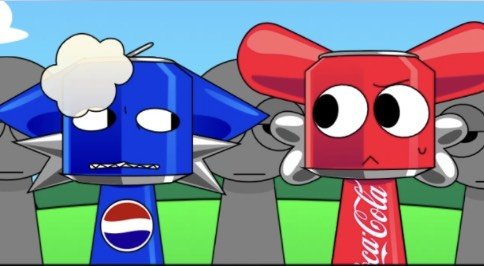
Bonus designs increase the sense of surprise. Some may look like cartoon guests, game-inspired figures, or characters from entirely different fictional styles. Their presence makes Sprunkway V2 feel like a community-created musical crossover rather than a closed cast.
Despite the variety, every performer serves a functional purpose. The design attracts attention, but the sound determines whether that character belongs in the final arrangement.
Tips and Strategies for Sprunkway V2
Create a four-character foundation before exploring the entire roster. One drum, one bass, one melody, and one supporting effect provide enough information to judge the direction of a track.
Separate rhythmic functions. Use one character for the main impact and another for lighter movement instead of choosing several performers that emphasize the same beat.
Watch the frequency range of each instrument. Bass and kick sounds occupy the lower area, while cymbals, bright synthesizers, and some vocals occupy the upper area. A balanced mix needs room in both.
Let one melody lead. Multiple piano, organ, brass, and synthesizer loops may sound impressive individually but can compete when activated together.
Use choir layers to widen the composition. A low choir can support the harmonic foundation, while a higher choir may create contrast above the instruments.
Experiment with acoustic and electronic combinations. Guitar, banjo, cello, piano, or xylophone sounds can give a synthetic rhythm section a more unusual identity.
Do not ignore a character because its solo loop seems simple. Repetitive parts often become valuable after they are combined with stronger melodies.
Rebuild your mix during the horror phase. Distorted versions may have different intensity, so the best normal lineup may not be the best dark lineup.
Create a deliberate transition. Remove several bright sounds before activating horror elements, then introduce darker ambience and vocals gradually.
Use silence as part of the arrangement. Temporarily removing the bass, drums, or voices can create a break that makes their return more powerful.
Compare character pairs before testing full groups. Pair testing quickly reveals which loops share compatible timing and harmony.
Finish by removing one unnecessary performer. If the track still sounds complete, the simpler version is often clearer and more memorable.
Community Engagement of Sprunkway V2
Sprunkway V2 supports community creativity through music sharing, character analysis, fan art, animation, and alternate-universe storytelling.
Players can upload or present their strongest arrangements and explain how the sound was constructed. Sharing the lineup allows other fans to recreate the mix and produce their own variation.
Normal-versus-horror challenges are another engaging activity. Community members can create two tracks using the same characters and compare how the transformation changes the mood.
Bonus-character challenges encourage players to explore the expanded roster. A composition can be restricted to unusual performers, acoustic instruments, crossover-inspired designs, or characters that are rarely selected.
Fan artists can imagine additional V2 redesigns or create new performers with original loops. These concepts may include an instrument, animation style, normal appearance, and corrupted form.
Lore-focused fans can examine why the Sprunkway universe changes and what role each performer plays in that event. Since the game leaves space for interpretation, multiple theories can exist without limiting the musical experience.
Community polls can rank favorite normal sounds, horror sounds, visual transformations, instruments, and vocal performances. These discussions help players discover characters they may have overlooked.
Remix creators can also expand short loops into complete tracks. By reorganizing familiar sounds into longer compositions, fans can demonstrate how much musical potential exists inside Sprunkway V2.
Sprunkway V2 FAQ
What is the main purpose of Sprunkway V2?
The main purpose is to create original music by combining character-based loops. Players control the arrangement, instruments, voices, and overall mood.
Is Sprunkway V2 free to play online?
Sprunkway V2 is commonly presented as a free browser-based fan game, although access can depend on the platform where a playable version is available.
Is Sprunkway V2 a rhythm game?
It is primarily an interactive music creation game. Rhythm is important, but players focus on arranging synchronized loops rather than pressing buttons to earn a score.
What does the alternate-universe theme mean?
The alternate-universe theme allows Sprunkway V2 to redesign characters, change their instruments, and develop a story separate from other interpretations.
How is Sprunkway V2 different from the first version?
The V2 edition expands the roster, refreshes the sound design, introduces more musical variety, and develops the contrast between normal and horror content.
Does Sprunkway V2 include real instruments?
The character loops can represent recognizable instruments such as piano, organ, electric bass, guitar, trumpet, cello, banjo, and xylophone.
What are bonus characters?
Bonus characters are additional performers outside the main lineup. They can introduce unusual designs, crossover influences, and less predictable sounds.
How do I activate horror content?
The exact trigger can depend on the playable build, but the darker phase is generally connected to a special character or transformation element within the sound selection.
Is horror mode required?
No. Players can focus on the normal musical environment or explore the darker mode when they want a more intense experience.
Can I make a good song with only a few characters?
Yes. A carefully selected group of four or five performers can sound more balanced than a stage containing every available loop.
Which sounds should I choose first?
Begin with percussion and bass. Add a melody after the groove is stable, then introduce vocals and special effects.
Why do some characters sound different after transformation?
The horror phase gives performers darker audio identities. Normal instruments may become distorted, while friendly vocals can change into unsettling alternatives.
Can I share a Sprunkway V2 composition?
Players can share recordings or videos of their mixes when the device and hosting platform support recording.
Is professional music knowledge necessary?
No. Sprunkway V2 automatically synchronizes its loops, allowing players to learn through experimentation and listening.
What makes Sprunkway V2 suitable for repeated play?
The combination of two modes, an expanded cast, bonus performers, and numerous possible arrangements gives every session a chance to sound different.